
Waqf ‘Ārḍi
Background
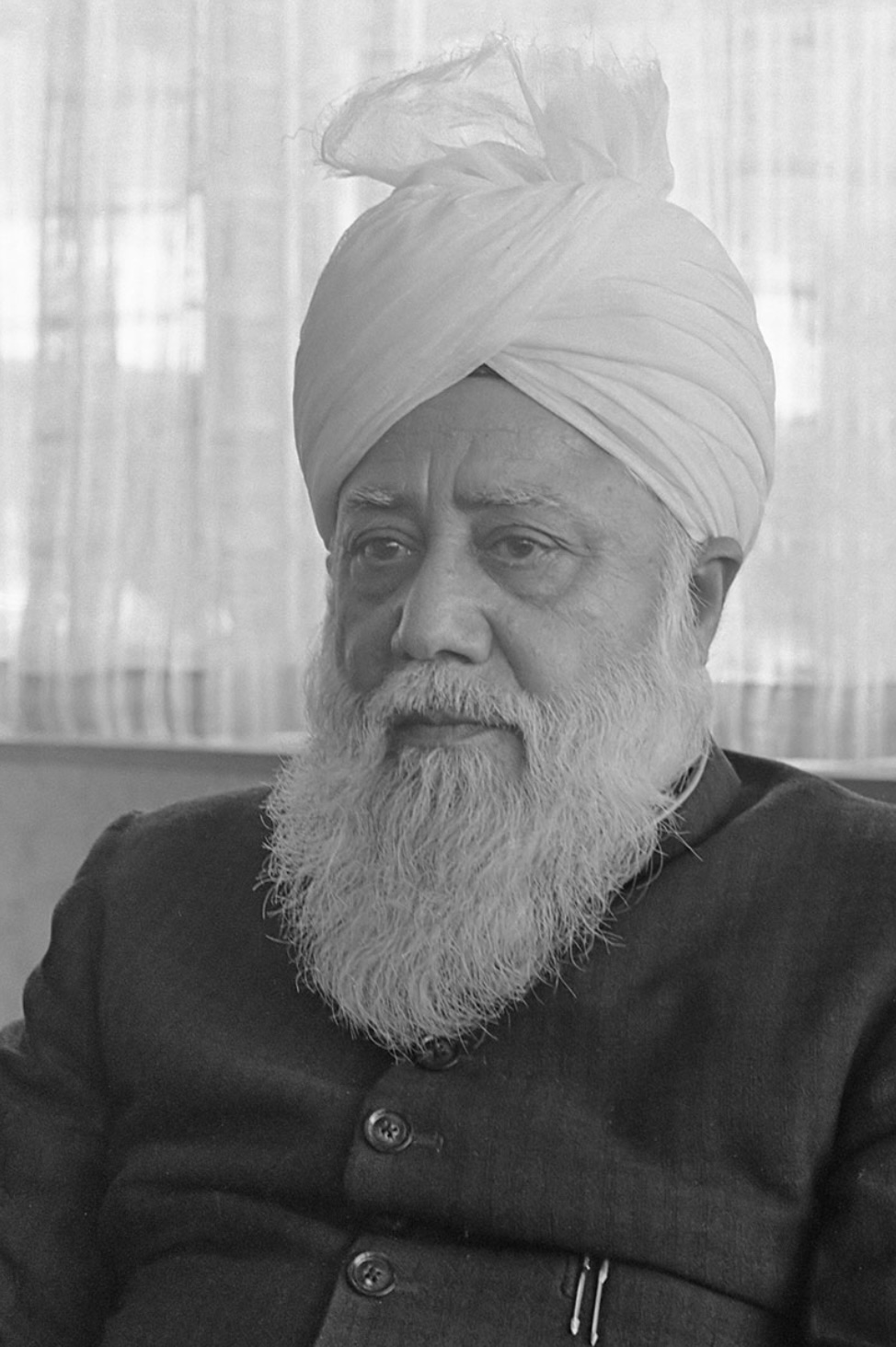
In 1966, Hazrat Khalifatul Masih III(rh) introduced the scheme of Waqf ‘Ārḍi in Pakistan
- At that time, the Jama’at didn’t have enough missionaries and teachers to teach the Holy Qur’an and impart religious knowledge to Jama’at members in remote villages and towns across Pakistan. To further the cause of learning the Qur’an, Hazrat Khalifatul Masih V(aba) began to encourage members to devote approximately 2-6 weeks of their lives to serving humanity and the Jama’at. With passion, members began to sign up and were sent where the Jama’at assigned them. They stayed in sometimes remote locations, paid for the travel expenses themselves and the boarding themselves
What is Waqf ‘Ārḍi?
- Waqf ‘Ārḍi refers to a voluntary dedication of one's time, skills, and resources to serving Islam
- Members who participate in Waqf ‘Ārḍi commit themselves to work for the Ahmadiyya Muslim community in various capacities without any financial compensation
- Participants in Waqf ‘Ārḍi dedicate themselves to the betterment of the community and the propagation of Islam's message of peace and service to humanity
- This service can involve missionary work, teaching, social services, healthcare, and other forms of community service
- They may be deployed to various locations based on the needs of the community and the skills of the individuals involved
Opportunities
Waqf ‘Ārḍi promotes selfless service by encouraging Ahmadis to dedicate their time and skills for the community
The greatest purpose of this scheme is so that every Ahmadi can offer their skills and services to organize and oversee tailored classes for the main purpose of teaching and learning the Holy Qur’an. This is why Waqf ‘Ārḍi is placed under the Ta‘līmul Qur’ān Department
Under this scheme, individuals or groups of Waaqifeen are sent to external Jama’ats for specified periods of time
The objectives of Waqf ‘Ārḍi are to present oneself for the service of humanity, it prepares every Ahmadi member as a flagbearer and dedicated servant to facilitate the training of Ahmadis and the propagation of Islam Ahmadiyyat
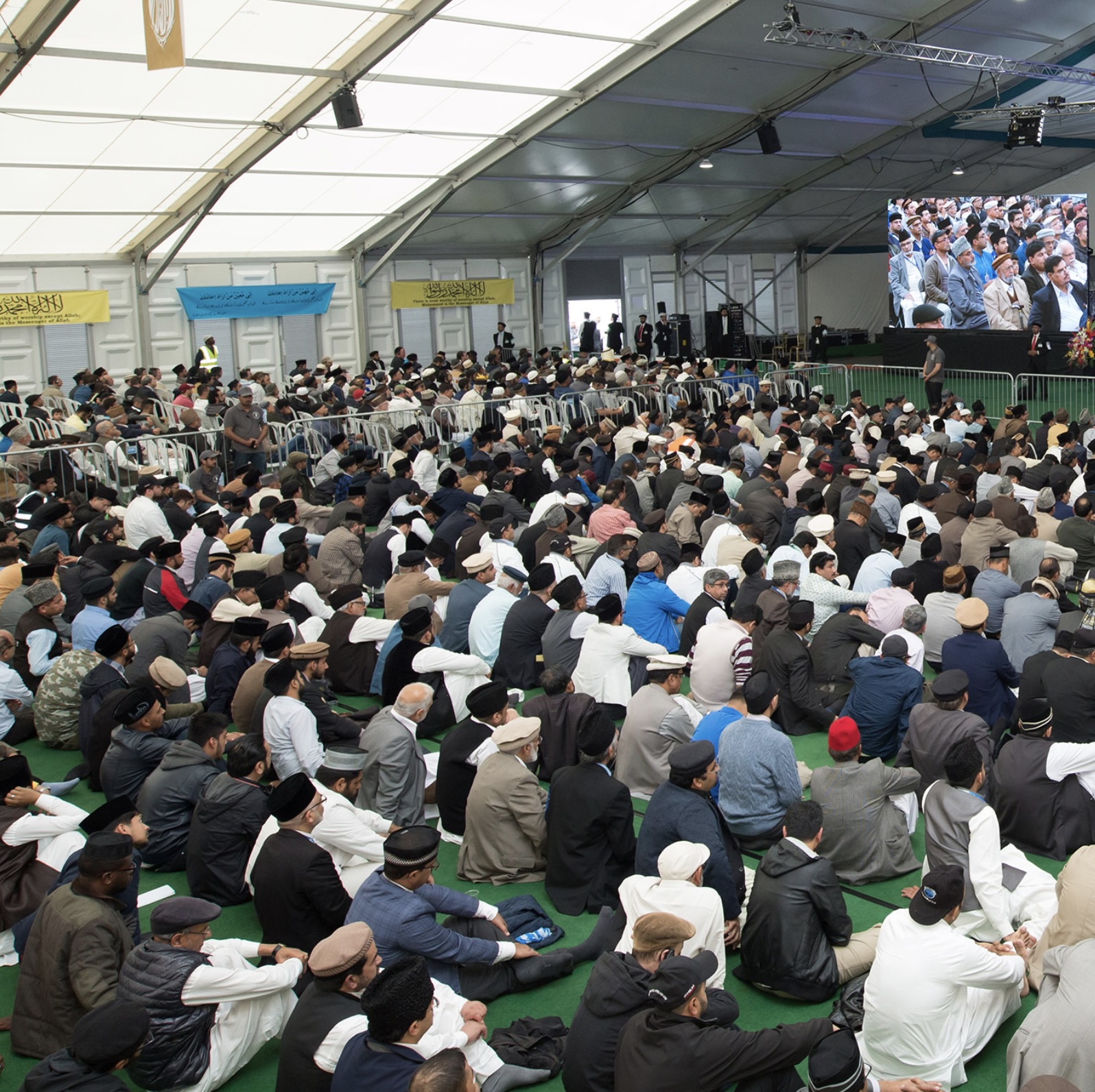
Jalsa Salana is a massive undertaking each year. There is an opportunity to perform various activities in support of organizing Jalsa Salana in Canada and other countries
Benefits of Waqf ‘Ārḍi
The beauty of this initiative is how fruitful and enriching it truly can be for those who dedicate their time
On an individual level:
- Fosters a recentering towards Allah the Almighty
- It expands the knowledge base and resources of members
- It strengthens brotherhood, service to humanity and to faith
- It reforms personal goals and creates valuable learning opportunities
On a Jama’at level:
- Instill knowledge and love of Holy Qur’an in members of Jama’at
- Spread message of Islam Ahmadiyyat across the global south, reflecting fulfilment of the divine revelation of Promised Messiah(as) “I shall cause thy message to reach the corners of the earth”
- Jama’at benefits from increased brotherhood and bonding
Guidance From Khilafat
In a 1977 publication of Daily Al-Fazl, the words of Hazrat Khalifatul Masih III(rh) highlight the value and importance of Waqf ‘Ardhi. He stated:
- Waqf ‘Ārḍi is a way of reforming the inner self. Those who go on it get to self-examine themselves in certain aspects. They become aware of some of their own weaknesses before they leave, and get inclined towards prayers. In other words, a large part of the preparation for going on Waqf is that they get inclined towards praying, and increasing their religious knowledge or efforts at renewing it. They increase their study of books before leaving, and take some books with them. They contemplate, and keep an eye on their negligence, carelessness and weaknesses and try to correct them. They have the desire that when they go to another place, they should set a good example for them, and not be a cause for them losing their faith. Thus, Waqf 'Ardhi delegations have benefited immensely from their blessings of prayers.” (Daily Al Fazl 12th Feb 1977)
In 2005, Hazrat Khalifatul Masih V(aba) established the combined department of Ta‘līmul Qur’ān and Waqf ‘Ārḍi in every country
- The initial focus of the Waqf ‘Ārḍi scheme was to teach and learn the Holy Qur’an. Thus, the merging of these two departments allows Jama’ats to streamline the process and existing resources towards Waqf ‘Ārḍi opportunities for members
Presentation
Read the presentation below to learn about the importance of the Waqf ‘Ārḍi scheme, including its objectives, guidelines, and the valuable guidance of Hazrat Khalifatul Masih V(aba)
Policies & Guidelines
The blessed Waqf ‘Ārḍi program provides members of the Jama’at with a unique opportunity for self-reformation by performing a variety of work such as teaching Holy Qur’an, carrying out Tabligh or Tarbiyyat activities, and other Jama’at duties
To ensure that we all respect the true spirit of Waqf ‘Ārḍi, we ask that members of the Jama’at submit their application at least 4 weeks in advance of their availability. This will ensure that the local Jama’at where they are assigned, is best able to plan appropriate deliverables and tasks for them and will enable a productive Waqf experience for both the Jama’at and the individual
While members may indicate their location preference in their application, the spirit of sacrifice entails that they perform their work wherever their services are most needed by the Jama’at
Likewise, all Jama’ats across Canada are highly encouraged to avail maximum benefit from the Waqf ‘Ārḍi program by highlighting projects and unmet needs in their local area, where members of the Jama’at may be assigned and sent to perform Waqf ‘Ārḍi
Waqf ‘Ārḍi Application & Completion Report
You can sign up for Waqf ‘Ārḍi by click the button below:
Once Waqf ‘Ārḍi has been completed, a report needs to be submitted as a required final step. This ensures that your participation is properly recorded and the process is fully completed. Please use the button below to access the form and submit it promptly